
wsunwin.co League Tables: Updated Standings for Top 5 European Leagues
The coffee machine hums in a dimly lit room where three monitors display live text feeds, a spreadsheet of expected goals, and a fixture calendar highlighted in four different colors. It is a Wednesday evening, and the window between a midweek European knockout and a weekend domestic clash is shrinking rapidly. Managers are adjusting training loads, medical staff are reviewing muscle fatigue reports, and tactical coaches are mapping passing networks against compact midfields. Across England, Spain, Germany, Italy, and France, the same structural pressure applies: results accumulate quickly when schedules compress, and standings shift not because of sudden brilliance, but because of how teams navigate fixture congestion, travel distances, and competitive overlap. Understanding how the top five European leagues operate right now requires looking past isolated scorelines and examining the rhythm of the calendar, the tactical fingerprints left on recent results, and the mathematical reality of current positions.
Fixture Windows and the Rhythm of European Competition
European football does not run on a single clock. It operates on overlapping cycles that dictate pacing, recovery periods, and strategic risk management. The primary domestic calendar spans roughly thirty-eight matchdays, but those fixtures rarely sit in isolation. Broadcast windows, cup competitions, and continental tournaments fracture the schedule into distinct phases. Weekends traditionally host the highest concentration of league matches, while Thursdays and Fridays increasingly carry domestic cup ties or lower-profile league rounds designed to maximize television coverage. Midweek slots belong almost exclusively to European competition, creating a predictable pattern: heavy European weeks are usually followed by lighter domestic windows, then intensified double rounds before international breaks intervene.
International windows remain the most disruptive element in modern scheduling. Fifteen days of national team duty strip clubs of key personnel, disrupt chemistry, and force emergency squad adjustments upon return. Leagues handle these interruptions differently. Some shorten pre-season preparation to absorb longer breaks later, while others compress the December period to protect February and March fixtures. The result is a shifting load curve that directly influences match outcomes. Teams with deeper squads and disciplined rotation protocols tend to stabilize their results during congested periods, whereas smaller-budget clubs often experience performance dips that cascade into the table. When scheduling aligns well, fixtures feel manageable. When they pile up, even tactically superior sides struggle to maintain intensity over ninety minutes.
Broadcasting rights also shape how matches are distributed. Television agreements prioritize kick-off times that capture maximum viewership, which means early Saturday windows, Sunday prime slots, and occasional Friday nights. Cup competitions occasionally require replays or rescheduling due to weather or attendance issues, pushing matches into midweek territories that further compress recovery time. European governing bodies enforce minimum rest periods between continental matches, but domestic organizers retain authority over league spacing. This creates a patchwork of scheduling logic that varies slightly by country, yet follows the same underlying principle: volume dictates vulnerability, and timing determines which teams capitalize on weak opposition windows.
- Weekend league blocks concentrate competitive load, making squad depth the primary advantage.
- Midweek European fixtures introduce travel fatigue and tactical adaptation demands.
- International breaks fragment continuity, forcing rapid reintegration of rotated players.
- Cup competitions occasionally trigger schedule drift, reshaping recovery timelines.
- Broadcast prioritization alters kick-off distribution, influencing viewing habits and commercial returns.
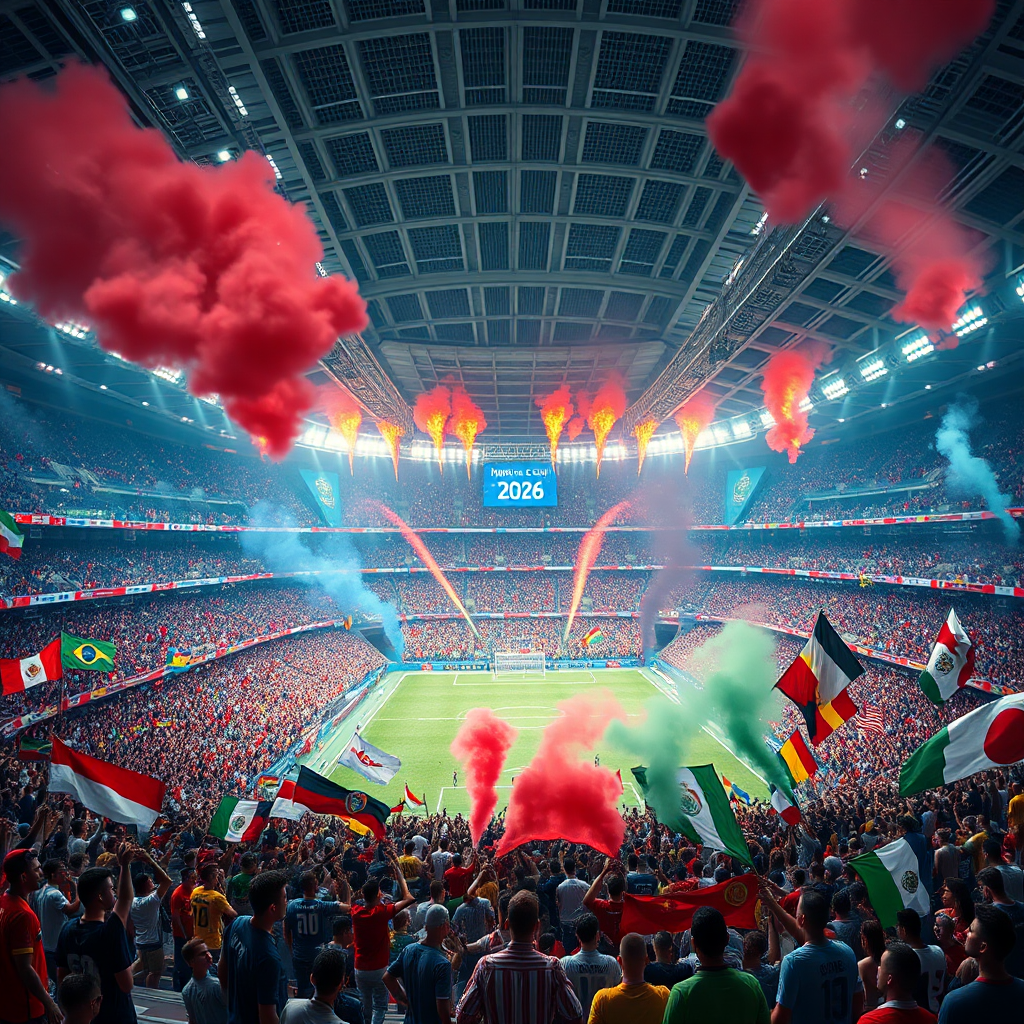 Hình minh hoạ: https://wsunwin.co/
Matchday Results and the Tactical Landscape
Recent results across the top five divisions reveal consistent patterns rather than chaotic variance. Defensive organization remains the baseline requirement, with teams prioritizing compact blocking shapes, coordinated pressing triggers, and disciplined transition recovery. High-intensity pressing yields quick turnovers, but it also increases physical depletion, especially when scheduled back-to-back. Coaches who balance aggressive midfield engagement with structured retreat lines consistently generate cleaner transitions and reduce exposure to counterattacks. Set pieces continue to serve as reliable scoring mechanisms, particularly for sides lacking creative width. Free-kick routines, corner variations, and second-ball dominance frequently decide tightly contested matches where open-play penetration stalls.
Attack progression has shifted toward central overload and half-space exploitation. Wingers who invert into midfield create numerical advantages against traditional fullback systems, while fullbacks step into possession phases to stretch opposition defenses vertically. This structural evolution forces opposing coaches to adjust marking responsibilities, often switching between zonal and man-oriented approaches depending on the opponent’s buildup patterns. Matches won through sustained territorial control rarely collapse under pressure, while teams relying on isolated moments of individual quality frequently see results swing when defensive discipline slips. Goalkeeping distribution also plays a larger role in modern result construction, with command of penalty areas and accurate long passes enabling quicker counters after defensive clearances.
Injury management and workload tracking now influence matchday lineups as much as tactical preference. Coaches monitor GPS data, muscular strain markers, and joint stress levels to determine rotation thresholds. Players returning from short absences often receive controlled minutes, while emerging academy talents fill temporary gaps without disrupting system stability. Result volatility tends to spike when starting defenses lose coordination during transition phases, allowing opposition attackers to exploit spaces behind advanced fullbacks. Conversely, teams that maintain structural integrity while executing quick vertical passes consistently convert pressure into favorable outcomes. The cumulative effect of these micro-decisions determines whether a side climbs, stabilizes, or slides within the standings.
- Compact defensive shapes reduce high-xG chances against organized attacks.
- Half-space overloads break low blocks and force reactive defensive adjustments.
- Set-piece execution remains a consistent differentiator in closed contests.
- Rotation protocols preserve physical capacity during congested fixture periods.
- Goalkeeper distribution speed initiates transition opportunities before defenses reorganize.

Positional Dynamics Across the Premier League, La Liga, Bundesliga, Serie A, and Ligue 1
League tables function as living records of accumulated results, but their true value lies in what they signal about season trajectories. The championship races across the top five divisions share common characteristics: early consistency, mid-season filtering, and late-stage differentiation. Points gaps widen gradually as fixture difficulty increases, revealing which squads possess the tactical flexibility and roster depth to sustain performance across multiple formats. European qualification battles intensify around matchday twenty-five, where every result carries multiplied weight. Relegation zones sharpen near the final quarter, with teams fighting to secure defensive stability, improve away performances, and capitalize on direct encounters.
The structural differences between leagues shape how standings evolve. English football emphasizes pace, physical duels, and vertical transitions, producing higher scoring variance and frequent positional turnover. Spanish football prioritizes technical possession, structured buildup, and spatial control, resulting in tighter point clusters and slower table movement. German football blends high pressing with rapid verticality, creating unpredictable result swings that reward tactical adaptability. Italian football relies on defensive cohesion, transitional efficiency, and strategic fouling patterns, generating lower aggregate scoring but highly stable positional rankings. French football features dominant financial cores competing against financially constrained challengers, producing predictable title favorites but volatile mid-table and relegation contests.
| League | Title Race Profile | European Spot Dynamics | Relegation Battle Pattern |
|---|---|---|---|
| Premier League | Multi-team contention driven by squad depth and transition efficiency | Highly competitive, often decided by head-to-head record and goal difference | Intense, frequently featuring mid-table sides dropping unexpectedly |
| La Liga | Controlled buildup and technical dominance shape early standings | Narrow point margins, tactical consistency separates qualifying sides | Struggles often linked to defensive vulnerabilities and away inconsistency |
| Bundesliga | High-scoring format rewards attacking structure and pressing intensity | Fluid movement, with European spots shifting based on cup runs | Defensive fragility and squad thinning frequently trigger drops |
| Serie A | Tactical discipline and transitional control define championship pathways | Stable clustering, with European qualification requiring minimal errors | Relegation hinges on set-piece defense and goalkeeping reliability |
| Ligue 1 | Financial disparity creates clear front runners but volatile chases | Mid-tier teams exploit schedule gaps to secure continental spots | Highly unpredictable, often decided by late-form reversals |
Standing positions should never be read as static predictions. They are snapshots of accumulated decisions: selection choices, pressing triggers, substitution timing, and risk management during tight intervals. A two-point gap can represent months of divergent approaches, while a five-point separation may mask identical underlying performance metrics adjusted by referee standards and luck variance. Analyzing tables requires isolating xG differentials, shot conversion rates, defensive error frequency, and transition success percentages. These indicators reveal whether a position reflects sustainable quality or temporary fluctuation.

Translating Points and Purse Positions Into Season Trajectories
When match results accumulate, they construct a mathematical framework that dictates playoff qualifications, managerial security, and transfer strategy. Early standings favor teams with stable starting elevens and clear tactical identity. Mid-season evaluations expose squad limitations, prompting strategic pivots such as adopting alternative formations, altering pressing thresholds, or adjusting attacking focus toward secondary creators. Late-season campaigns become exercises in resource preservation, where managing player fatigue, protecting lead buffers, and maximizing home advantage determine final outcomes.
European qualification carries significant financial and sporting weight. Qualifying for group-stage competitions provides revenue that sustains recruitment, facilities, and youth development. Missing out forces restructuring, delayed signings, and increased reliance on loan markets. This reality explains why standings tighten dramatically around the European cutoff lines. Teams battling for fifth through eighth places often employ pragmatic approaches, prioritizing clean sheets, minimizing red cards, and securing points against similarly positioned opponents. Direct matchups between these sides carry disproportionate weight, frequently serving as de facto playoffs for continental access.
Relegation survival depends on converting limited resources into consistent points accumulation. Survival packages typically include improved defensive organization, targeted striker integration, and strategic home fixtures. Clubs that successfully neutralize away-game vulnerability often secure safety, while those dependent on high-variance attacking outputs face elevated risk. Standings in the lower third reflect cumulative mistake correction: fewer unforced errors, better set-piece execution, and sharper decision-making under pressure. Mathematical survival becomes possible once teams reach thirty-three to thirty-six points, but true security requires maintaining positive goal difference and avoiding multi-match losing streaks.
The interplay between schedule density and result volatility creates natural filtering mechanisms. Teams that withstand congested periods without performance degradation demonstrate organizational maturity. Those that struggle reveal structural weaknesses that later manifest as table movement. Standings do not predict future success; they document current alignment between resources, tactics, and scheduling reality. Analyzing them correctly requires patience, context awareness, and rejection of short-term noise.

Monitoring Schedules and Results Without Falling Into Data Noise
Keeping accurate track of European fixtures demands systematic information management. Reliance on unofficial forums, unverified social media accounts, or algorithm-driven news aggregators introduces distortion. Official league websites provide authoritative kickoff times, venue confirmations, and broadcast listings. National federation portals validate international break windows and squad registration deadlines. Sports data platforms offer standardized match reports, lineup confirmations, and statistical corrections that eliminate rumor-based inaccuracies. Cross-referencing these sources prevents misinterpretation of rescheduled matches, postponed fixtures, or administrative changes.
Creating a reliable tracking workflow involves establishing hierarchy priorities. Primary sources deliver confirmed schedules and official results. Secondary sources provide tactical summaries, injury updates, and managerial press conferences. Tertiary sources offer fan commentary, speculative transfers, and historical comparisons. Filtering information through this structure reduces cognitive overload and ensures decisions rest on verified data rather than trending narratives. Mobile notifications should be configured to alert only for confirmed lineup releases, kickoff confirmations, and final whistle results, excluding preliminary predictions or unverified insider claims.
Understanding how standings interact with schedules requires contextual literacy. Knowing which teams face consecutive away trips, which squads rotate heavily for cup matches, and which divisions experience broadcast time shifts allows accurate expectation calibration. Result interpretation improves significantly when analysts account for match importance, opponent strength, and venue conditions rather than evaluating performances in isolation. Maintaining disciplined information hygiene prevents reactionary conclusions and preserves analytical clarity throughout the campaign.
- Verify kickoff times through official league channels before planning viewing schedules.
- Confirm lineup releases via club websites to assess rotation impact accurately.
- Cross-check result updates using recognized sports data aggregators.
- Filter notifications to prioritize confirmed fixtures and official announcements.
- Track suspension and injury listings through federation-mandated publications.
For comprehensive fixture listings, official result archives, and structured league table tracking, you can find more details at https://wsunwin.co/. Accessing centralized data repositories eliminates fragmented searching and delivers standardized formatting that simplifies comparative analysis across multiple divisions.
The trajectory of European football seasons ultimately depends on how organizations align scheduling reality with operational capacity. If clubs maintain tactical coherence while navigating compressed windows, preserve physical condition through disciplined rotation, and execute set-piece routines with precision, the championship races will likely resolve within the final eight matchdays, with European spots decided by narrow margin differentials. If scheduling disruptions persist, defensive coordination fractures under transition pressure, and mid-table sides fail to consolidate home performances, expect extended relegation battles, premature managerial adjustments, and European qualification outcomes determined by goal difference rather than accumulated superiority.